
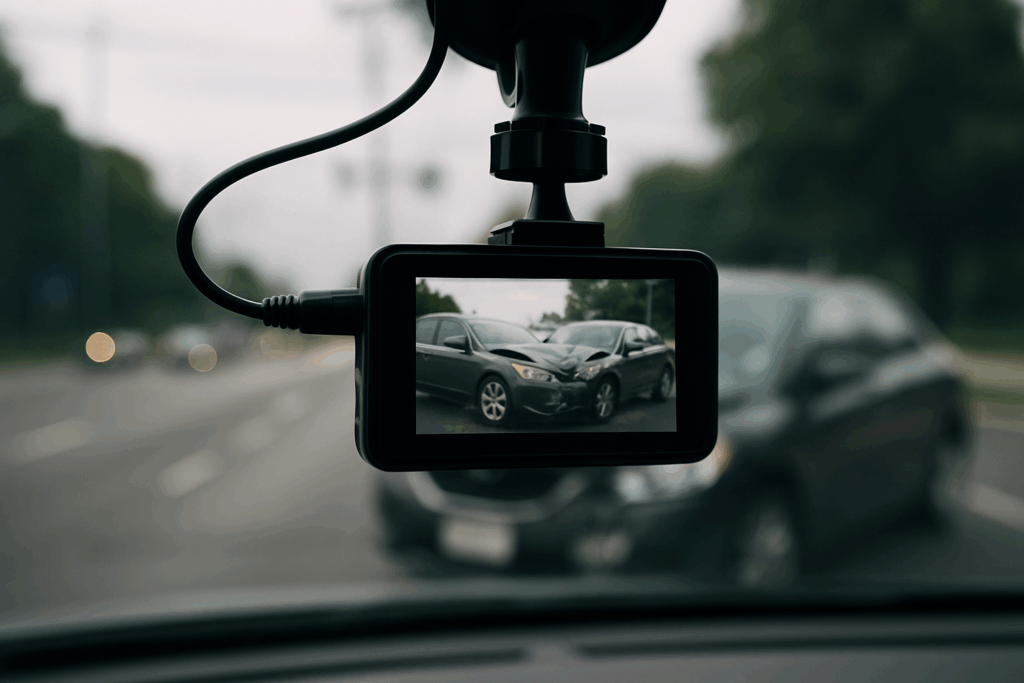
The crash happened in seconds. The other driver is already spinning their story. But you have something they do not, the truth captured frame by frame. In a world where everyone has an opinion after an accident, one piece of evidence never lies, video. A dash cam is not just a gadget. It is your silent witness, your alibi, and often your salvation when someone else’s version of events threatens to destroy your case.
Whether you are navigating rush hour on I10 in Texas, fighting traffic on California’s 405, or cruising the I95 corridor, dash cam footage can be the difference between your word versus theirs and undeniable proof that clears your name.
Courts, insurance companies, and law enforcement agencies across the country rely on dash cam evidence to determine fault, expose fraud, and protect innocent drivers from financial devastation. But having footage is not enough. You must know how to preserve it, present it, and protect yourself from the ways it can be twisted against you.
If you have ever wondered whether dash cam footage holds up in court, the answer is yes. But there is more to it than pressing record.
Why Dash Cam Footage Is Game Changing Evidence
When metal meets metal and lives change forever, stories diverge. Drivers panic. Memories blur. Witnesses disappear or forget crucial details. Insurance adjusters look for any excuse to minimize payouts.
Dash cam footage cuts through all of it by offering real time evidence that does not change with retelling.
What Your Dash Cam Captures That Witnesses Cannot
The exact moment of impact with precise timing.
Vehicle speeds, lane positions, and traffic signals in real time.
Road and weather conditions that affect liability.
Driver behavior before the crash such as distracted driving, tailgating, sudden lane changes, or texting.
License plates, street signs, and GPS timestamps that verify your account.
Why Courts Trust Video Over Testimony
Human memory is unreliable under stress. Footage does not forget, exaggerate, or lie. As long as it is clear, authentic, and unedited, dash cam video is admissible in civil and criminal cases.
Real world impact.
In California, Florida, and New York, judges have upheld dash cam video as key evidence in injury trials and insurance disputes.
In Texas, a commercial truck’s onboard camera overturned a wrongful fault determination and saved the driver from a six figure liability claim.
Across the country, dash cams expose staged accidents, clear innocent drivers, and force insurance companies to honor valid claims.
The result is simple. When it is your word against someone who is lying, video tilts the truth in your favor.
When Dash Cam Evidence Is Admissible in Court
Not all footage is accepted. Dash cam evidence must meet three requirements.
The Three Part Legal Test
- Relevance. The video must directly relate to the crash or the moments surrounding it.
- Authenticity. You must prove the footage has not been edited or altered.
- Foundation. Someone must testify about how the video was created and preserved.
State Specific Legal Considerations
California. Dash cams are legal if they do not obstruct the driver’s view and follow placement rules under Cal Vehicle Code 26708. California also requires two party consent for audio.
Texas. Few restrictions. Dash cam footage is routinely accepted. Texas is a one party consent state for audio.
New York. Video is admissible with proper authentication. New York is a one party consent state for audio.
Illinois and Massachusetts. Both require two party consent for audio. Disable audio or use video only mode.
When Your Footage Could Be Excluded
Footage can be rejected if it is blurred or incomplete, contains illegal audio, has inaccurate timestamps, lacks chain of custody, or is irrelevant to the case. Judges have discretion, so proper authentication matters.
How Dash Cam Footage Strengthens Your Personal Injury Case
Establishing Clear Fault
Video can prove the other driver ran a red light, was speeding, tailgating, weaving, or acting recklessly. It can also show you were driving responsibly.
A Florida driver used dash cam video to overturn a denied claim after a rideshare vehicle made an illegal U turn. The footage forced a two hundred twenty thousand dollar settlement.
Refuting False Accusations and Fraud
Scammers stage collisions and fabricate stories. Dash cam footage dismantles these schemes. In Los Angeles, California Highway Patrol investigators have used civilian dash cam video to uncover organized fraud rings staging dozens of collisions.
Solving Hit and Run Cases
Your footage can reveal license plates, vehicle descriptions, and direction of travel. Police prioritize cases with video because it speeds up investigations and leads to arrests.
Supporting Injury Claims
Video helps experts understand the force of impact, body movement, and vehicle damage. This strengthens the connection between the crash and your injuries.
Critical Steps After an Accident When You Have Dash Cam Footage
Immediately After the Crash
Secure the footage.
Create multiple backups.
Verify the timestamp.
Do not edit the video.
Tell officers you have video.
Before Sharing with Anyone
Show the footage to your attorney first. Never send it directly to the opposing insurance company. Preserve all metadata including GPS and speed readings.
How Insurance Companies Use Dash Cam Evidence Against You
Footage that protects you can also be used against you.
Common tactics include using brief distractions to argue contributory negligence, pointing out timestamp issues, or highlighting unrelated behavior to cast doubt on your driving.
Never share raw footage without legal guidance.
Choosing the Right Dash Cam
Essential Features
High resolution footage.
Wide angle lens.
Loop recording.
G sensor impact detection.
Dual channel capability.
Night vision or WDR.
Cloud backup or WiFi transfer.
GPS tagging.
Legal Mounting Requirements
Mount behind the rearview mirror and outside your line of sight to comply with vehicle codes and avoid admissibility issues.
Privacy Laws You Must Understand
Dash cams are legal nationwide, but privacy rules vary by state.
Public spaces can be recorded legally.
Private property may have restrictions.
One party and two party consent laws apply to audio.
Traveling between states with different consent laws requires caution. Disable audio when uncertain.
Rideshare and commercial drivers must follow company policies and state laws. Employer owned vehicles may also have their own rules.
Ignoring these laws can lead to excluded evidence or legal consequences.
Real Cases Where Dash Cams Changed Everything
Texas. A truck driver was cleared when footage proved a staged collision.
California. Video forced a settlement when an at fault driver denied responsibility.
New York. A pedestrian lawsuit was dismissed when video showed they stepped into traffic against the light.
Video resolves disputes that words cannot.
How Dash Cams Expose Insurance and Legal Scams
Organized fraud rings intentionally cause collisions for financial gain.
Common scams include swoop and squat, drive down scams, and fake passengers or witnesses. Dash cam footage exposes these tactics instantly and supports law enforcement.
Presenting Dash Cam Evidence in Court
The Authentication Process
Testimony confirms the origin.
Chain of custody proves the file is unchanged.
Original files are submitted.
Experts may analyze speeds, movement, and impact angles.
What Judges and Juries See
Courts favor clear, timestamped footage with GPS and G sensor data. A skilled attorney ensures the video is presented effectively and truthfully.
Freddie’s Final Word
Dash cam footage cannot prevent a crash, but it can protect the truth when everything else becomes uncertain. One clear recording can be the difference between blame and justice, confusion and clarity, doubt and protection. Stay prepared. Stay aware. Protect your peace on the road. Freddie Fender is here to guide you, protect you, and help you navigate the moments that matter most.
Freddie Fender Investigations
Built to protect the innocent, expose the reckless, and get you the help you deserve.