
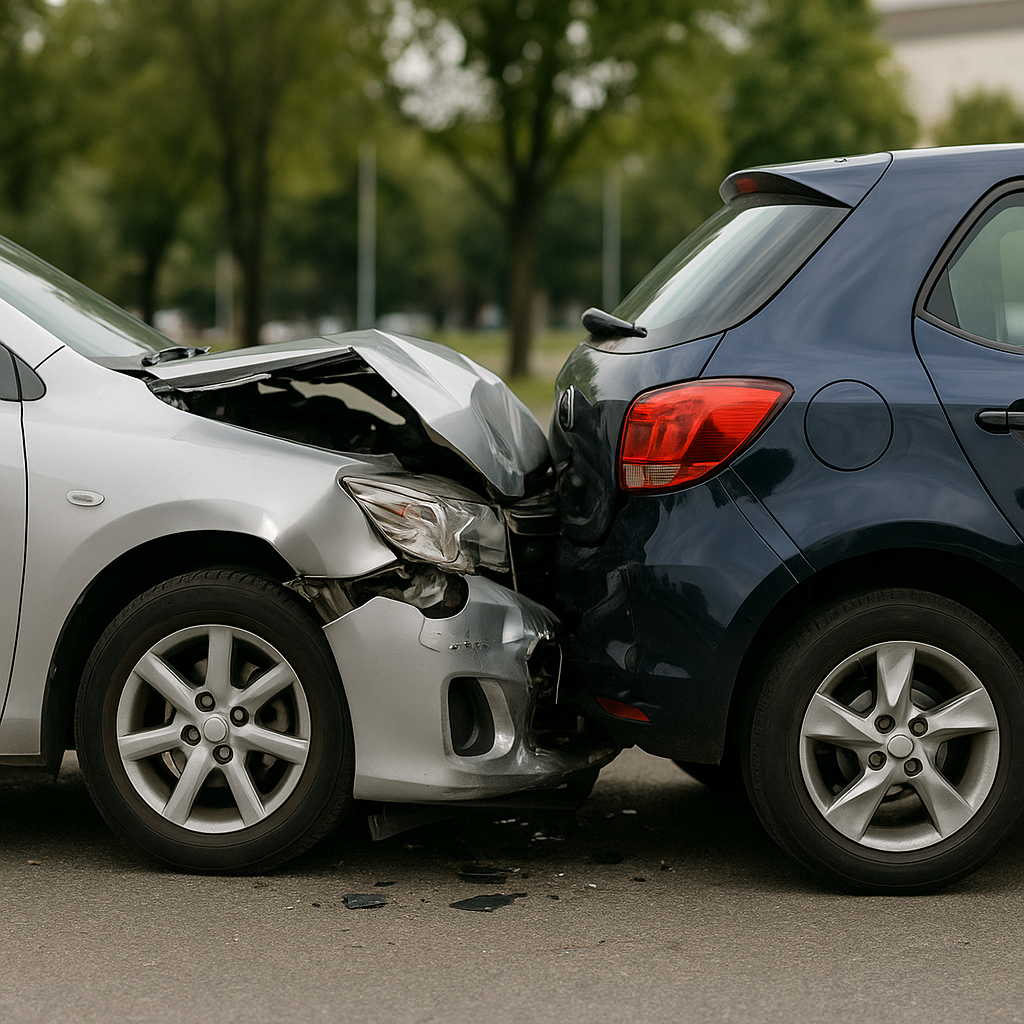
You shake hands, exchange insurance information, and drive away. Five minutes later, it feels like it is over. Three weeks later, you are hit with a lawsuit, a denied claim, and medical bills your insurer will not cover. This is the hidden cost of handling it yourself.
It is just a fender bender. No airbags, no ambulance, just two frustrated drivers and a couple of dented bumpers. You exchange a glance and think you will handle it yourselves.
That is where thousands of drivers make the first and most expensive mistake of their entire claim. What feels minor in the moment can explode into neck pain, denied claims, frame damage, or lawsuits. Across Texas, California, Florida, and New York, small crashes generate millions of disputes every year.
Here are the mistakes that turn minor fender benders into major financial problems and how to avoid them.
Mistake 1: Not Calling the Police Because It Seems Minor
Why It Happens
People worry about slowing traffic, getting a ticket, or upsetting the other driver. They exchange phone numbers and leave.
Why It Is a Problem
Without an official police report, your insurer has no proof of what happened. If the other driver changes their story, you are stuck defending yourself with no documentation.
What the Law Requires
Texas requires reporting crashes involving injury, death, or property damage over one thousand dollars.
Florida requires reporting injury, death, or damage of at least five hundred dollars.
California requires reporting injury, death, or significant damage.
New York requires reporting injuries and major damage as well.
Always verify current state rules with your local DMV.
Real World Scenario
A Los Angeles driver rear ended at a red light skipped calling police because both cars looked fine. Two weeks later the other driver filed an injury claim. With no report documenting the scene, her insurer questioned the claim and initially denied coverage.
The Fix
Call 911 or your non emergency line. If officers do not respond, file an incident report later. Failing to report can result in fines or affect your insurance rights.
Mistake 2: Not Getting Checked by a Doctor
Why It Happens
Adrenaline masks pain. People feel fine and skip the ER to save time.
Why It Is a Problem
Most whiplash symptoms appear within twenty four to seventy two hours. Many mild brain injuries go undiagnosed in the first forty eight hours. When symptoms appear later, insurers argue the injuries came from something else.
Real World Scenario
A Dallas driver who declined medical care later developed severe shoulder pain requiring months of therapy. Because she did not seek care immediately, her insurer disputed the bills.
The Fix
Get evaluated within twenty four to forty eight hours. Tell the provider it was a car accident so it is documented. Early records protect your claim and your health.
Mistake 3: Admitting Fault Even Casually
Why It Happens
People try to be polite. They say things like I did not see you or I am sorry.
Why It Is a Problem
These statements can be treated as admissions of legal responsibility, even if evidence later shows otherwise.
Real World Scenario
A Florida driver apologized after a parking lot bump, even though security footage showed the other car backing into her. Her insurer initially denied her claim because of her apology.
The Fix
Exchange information calmly. Stick to facts like location, time, and insurance details. Do not discuss fault at the scene.
Mistake 4: Failing to Gather Evidence at the Scene
Why It Happens
People are shaken up and want to get home. It is easy to forget documentation.
Why It Is a Problem
By the time you realize something is wrong, the scene is gone. Skid marks fade, witnesses disappear, and cars get repaired.
What to Capture
Photos of vehicles, license plates, street signs, skid marks, debris, and visible injuries.
Dash cam footage saved immediately.
Witness names and contact information.
Police report number and timestamp.
Real World Scenario
In New York, a driver’s cell photos showing the traffic light color and vehicle positions won her case after the other driver lied.
The Fix
Document before cars move if safe. Save your footage to the cloud. A dash cam can prevent costly disputes.
Mistake 5: Trusting the Insurance Company to Handle It
Why It Happens
People assume their insurer is on their side.
Why It Is a Problem
Once a claim opens, insurers focus on limiting payouts. Adjusters record every call and look for reasons to minimize settlements.
Common Tactics
Offering quick low settlements.
Claiming pre existing injuries.
Delaying payments to pressure acceptance.
Requesting recorded statements to find inconsistencies.
Real World Scenario
A Sacramento driver accepted a twelve hundred dollar settlement after a rear end crash. Weeks later an MRI revealed a herniated disc requiring surgery. Because she signed a release, she could not claim additional damages.
The Fix
Report the accident but avoid recorded statements. Do not sign anything without legal review.
Mistake 6: Ignoring Hidden Vehicle Damage
A small dent can hide frame issues, alignment problems, or damaged sensors.
The Fix
Have a certified body shop perform a post collision inspection. Insurers often cover diagnostics when requested early.
Mistake 7: Not Reviewing Your Policy
Before disaster strikes, review your coverage for uninsured motorist protection, medical coverage, rental reimbursement, and collision protection.
A quick review can prevent major out of pocket losses.
What to Do Instead: The Smart Driver’s Checklist
Immediately After the Crash
Stay calm and safe.
Call 911.
Document photos and video.
Exchange information without admitting fault.
Seek medical care within forty eight hours.
Within Days
Notify your insurer without giving recorded statements.
Keep all receipts and records.
Consult an attorney for injuries or disputes.
Understanding State Filing Deadlines
California permits two years for injury claims and three years for property damage.
Texas permits two years for both.
Florida permits two years for injury claims and four years for property damage.
New York permits three years for both.
Missing a deadline can bar recovery.
Real Stories, Real Consequences
In Texas, a Houston driver was sued for eight thousand dollars in repairs he never saw because he skipped photos and a police report.
In Florida, a woman accepted a quick payout only to discover a serious shoulder injury days later.
In California, a rideshare driver exposed a staged crash with his dash cam, helping uncover a fraud ring.
Protect Yourself Before the Next Minor Crash
Install a dash cam.
Review your coverage.
Do not waive key protections.
Keep a small accident kit in your car.
Freddie’s Final Word
Small crashes are rarely as simple as they look. One rushed decision can create the kind of problems that follow you for months. Slow down. Document everything. Protect your health and your rights. A little patience and preparation can prevent major financial pain later. Freddie Fender is here to guide you, protect you, and help you navigate the moments that matter most.
Freddie Fender Investigations
Where truth gets uncovered and real help gets delivered.